How WW2 affected Hollywood
The 1940s was considered to be a bleak time not only Europe but for the United States as WW2 had begun on Pacific front with the Americans against Japan and the Eastern with Europeans forces against Germany and other axis powers. Everyone was trying to do their job in supporting the war. For instance, the U.S., industries started to reuse factories that made automobile parts into weaponry and machinery for soldiers against Japan, or butchers would give most of their fine meat like steaks to soldiers placed in the archipelago islands south of Japan. Hollywood did suffer would create training videos, and propagandist materials showcasing extreme forms of mistreatment of Americans if the Axis Powers would win the war. The most known propagandist films are probably the ones containing the racist depictions of Japanese stereotypes and the ridiculousness fascist ideals of the Nazi Party. It will be discussed about how films were affected by World War 2, as how the U.S. government grasped onto Hollywood to make film that supported U.S efforts in the war.
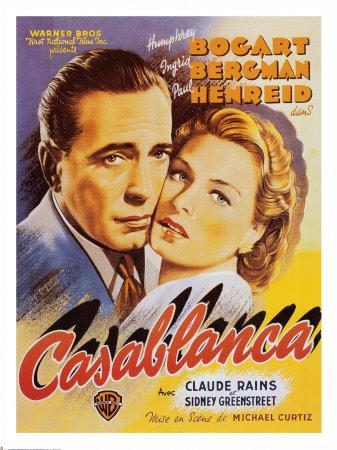 December 7th, 1941, a day known in infamy, this was surprise attack on Pearl Harbor constructed by Prime Minister of Japan that killed roughly 2,400 U.S. armed forces and left the nation in shock. It was agreed upon by Frank Delano Roosevelt, and Congress to declare war on Japan and other axis powers to help support the Allies. During the Great Depression morale was low unemployment in the country was at its highest and many workers lost most of salaries, to compensate for U.S. economy collapsing nearly two thirds of the public went to a movie theater or a theatrical chain to watch movies that would cost from 5 cents to 12 cents depending on the theater a person went to. At cinema's people would watch about the everyman going from rags to riches, big musical productions that had a morale boosting themes about beating the depression and retrieving wealth that was taken form them. Now the U.S. government had made new restrictions on films instating that films must be both morale boosting and patriotic to go against the ideals of the enemy powers. For instance, propaganda films like Casablanca, Blondie for Victory and several other films during World War 2 supported the United States involvement with the war. Other films at this time period were romantic comedies that didn't focus on war and instead focused on the smaller problems of life which movies like Citizen Kane(1941) and The Philadelphia Story (1940) created during WW2. Hollywood would reach its peak during the war years as 2/3's of the American population went to a movie at least once a week and studios earned record breaking profits up to 1.6 Billion dollars in 1946. However, at the end of the decade Hollywood would all the wealth it had accumulated would be lost to the U.S government and new technologies being developed that would fully compete against film, television.
After the World War 2 Hollywood would reach its record breaking point in film history with 2/3 of U.S population going to the movies at once a week, however the euphoria dissipated quickly as Hollywood would be tried against by the United States, and had to compete with a new competitor for American leisure time. In the early decades of film their were five major companies known as the big five (20th Century Fox, Warner Bros, RKO Pictures, Paramount Pictures, and Metro-Goldwyn-Mayer) had major control over the film industry for 30 years. The big five had control over theatre and movie production before a federal lawsuit against the big five and a few minor studios known as the "Paramount decrees instated that studios must divest their theatre chains and must have competition in the exhibition sector. This is only one of the issues facing as war often can leave countries in shambles leaving untapped markets for those looking to make wealth in certain areas however Hollywood was unable to go into these gold mines as protectionist quotas kept Hollywood out of European markets. Another issue Hollywood was facing economically would be the syndication of broadcast television which provided an alternative to going to the theater for the American leisure time. Television at that time was shown to be a competitor to movies as people could watch "movies at home" and other programs that would play at that time. As revenue started to decline companies were forced to come up with new ideas that could be used to keep audiences in the theaters a little while longer but it had to be cheap to make, and relate to the target audience, and to compensate was a new genre known as noir films. Noir films relied on thought provoking or complex stories that focused on phycological and social problems on returning World War 2 soldiers, lie PTSD, alcoholism, and racism, films like Lost Boundaries (1949), and The Snake Pit (1948) exemplify how certain events affected individuals. Although, new genres were being made to challenge audiences it would go in 1947 when The House of Un-American Activities Committee decided to investigate motion pictures for any signs of communistic ideals. More than a 100 people were called to the committee testifying about any communist relations they had. A more infamous testimony where a group of writers and two directors were sentenced to a full year of prison to refusing to testify and would cause Hollywood to start blacklisting anyone who was accused of being communist and lead to creative stagnation that would continue on until the 1960's. In conclusion, many factors had been going with Hollywood at the beginning of the decade but at the end everything seemed to go against Hollywood as foreign markets were closed, a new rival for American leisure time was made, and several studios forced to break apart however, new ideals and ways of making movies soon became clear as studios figured ways to break out and stay financially stable for the next decades.
December 7th, 1941, a day known in infamy, this was surprise attack on Pearl Harbor constructed by Prime Minister of Japan that killed roughly 2,400 U.S. armed forces and left the nation in shock. It was agreed upon by Frank Delano Roosevelt, and Congress to declare war on Japan and other axis powers to help support the Allies. During the Great Depression morale was low unemployment in the country was at its highest and many workers lost most of salaries, to compensate for U.S. economy collapsing nearly two thirds of the public went to a movie theater or a theatrical chain to watch movies that would cost from 5 cents to 12 cents depending on the theater a person went to. At cinema's people would watch about the everyman going from rags to riches, big musical productions that had a morale boosting themes about beating the depression and retrieving wealth that was taken form them. Now the U.S. government had made new restrictions on films instating that films must be both morale boosting and patriotic to go against the ideals of the enemy powers. For instance, propaganda films like Casablanca, Blondie for Victory and several other films during World War 2 supported the United States involvement with the war. Other films at this time period were romantic comedies that didn't focus on war and instead focused on the smaller problems of life which movies like Citizen Kane(1941) and The Philadelphia Story (1940) created during WW2. Hollywood would reach its peak during the war years as 2/3's of the American population went to a movie at least once a week and studios earned record breaking profits up to 1.6 Billion dollars in 1946. However, at the end of the decade Hollywood would all the wealth it had accumulated would be lost to the U.S government and new technologies being developed that would fully compete against film, television.After the World War 2 Hollywood would reach its record breaking point in film history with 2/3 of U.S population going to the movies at once a week, however the euphoria dissipated quickly as Hollywood would be tried against by the United States, and had to compete with a new competitor for American leisure time. In the early decades of film their were five major companies known as the big five (20th Century Fox, Warner Bros, RKO Pictures, Paramount Pictures, and Metro-Goldwyn-Mayer) had major control over the film industry for 30 years. The big five had control over theatre and movie production before a federal lawsuit against the big five and a few minor studios known as the "Paramount decrees instated that studios must divest their theatre chains and must have competition in the exhibition sector. This is only one of the issues facing as war often can leave countries in shambles leaving untapped markets for those looking to make wealth in certain areas however Hollywood was unable to go into these gold mines as protectionist quotas kept Hollywood out of European markets. Another issue Hollywood was facing economically would be the syndication of broadcast television which provided an alternative to going to the theater for the American leisure time. Television at that time was shown to be a competitor to movies as people could watch "movies at home" and other programs that would play at that time. As revenue started to decline companies were forced to come up with new ideas that could be used to keep audiences in the theaters a little while longer but it had to be cheap to make, and relate to the target audience, and to compensate was a new genre known as noir films. Noir films relied on thought provoking or complex stories that focused on phycological and social problems on returning World War 2 soldiers, lie PTSD, alcoholism, and racism, films like Lost Boundaries (1949), and The Snake Pit (1948) exemplify how certain events affected individuals. Although, new genres were being made to challenge audiences it would go in 1947 when The House of Un-American Activities Committee decided to investigate motion pictures for any signs of communistic ideals. More than a 100 people were called to the committee testifying about any communist relations they had. A more infamous testimony where a group of writers and two directors were sentenced to a full year of prison to refusing to testify and would cause Hollywood to start blacklisting anyone who was accused of being communist and lead to creative stagnation that would continue on until the 1960's. In conclusion, many factors had been going with Hollywood at the beginning of the decade but at the end everything seemed to go against Hollywood as foreign markets were closed, a new rival for American leisure time was made, and several studios forced to break apart however, new ideals and ways of making movies soon became clear as studios figured ways to break out and stay financially stable for the next decades.
Comments
Post a Comment